
Paralysis is a condition that results from nerve damage or brain injury, leading to the loss of muscle function in one or more parts of the body. Recovery requires a structured and consistent rehabilitation plan to restore mobility and independence. At Restart Physiotherapy and Occupational Therapy Centre, our expert team designs personalized therapy programs focused on improving muscle strength, coordination, and motor control through advanced physiotherapy techniques and neuro-rehabilitation exercises. Alongside this, our occupational therapists help patients relearn essential daily activities, adapt to assistive devices, and regain confidence in their routine life. With compassionate care and evidence-based treatments, Restart empowers patients on their journey toward recovery and improved quality of life.
We Are Here to Help When You Need Us – Paralysis
- providing dedicated care and hope for paralysis recovery.
- supporting every step of your paralysis rehabilitation journey.
- empowering you with strength, therapy, and consistent care.
- offering expert physiotherapy for improved movement and independence.
because paralysis recovery needs patience, guidance, and expert support.
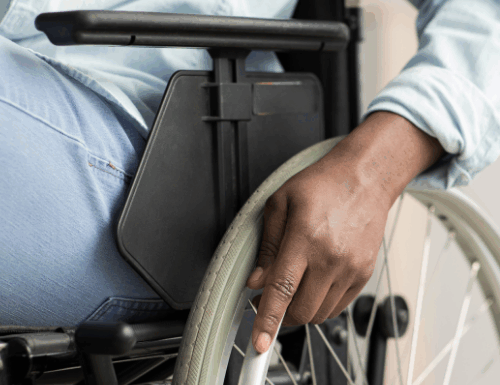
Our Daily Care Services:
Our daily care services for paralysis are designed to provide consistent support, comfort, and rehabilitation throughout your recovery journey. We focus on helping you improve mobility, strengthen weakened muscles, and maintain joint flexibility through guided physiotherapy and gentle exercises. Our team assists with daily activities such as bathing, dressing, positioning, and safe movement to prevent stiffness and complications. We also ensure proper nutrition guidance, skin care, and routine monitoring to support your overall well-being. With compassionate care and personalized attention, we help you regain confidence, independence, and a better quality of life every day.
Personal Care
- Assistance with Daily Activities—Support with bathing, grooming, dressing, and toileting.
- Safe Positioning & Repositioning—Regular position changes to prevent bedsores, stiffness, and discomfort.
- Mobility Assistance—Help with sitting, standing, transferring, and using mobility aids safely.
- Joint & Muscle Care —Gentle range-of-motion exercises to maintain flexibility and prevent contractures.
- Skin & Hygiene Care—Monitoring and caring for skin to avoid infections and pressure ulcers.
- Feeding & Nutrition Support—Assistance with meals and guidance for healthy nutrition that supports recovery.
- Medication Reminders—Ensuring timely intake of prescribed medicines.
- Comfort & Pain Management—Gentle techniques and positioning adjustments to ease discomfort.
- Emotional & Mental Support—Encouragement, companionship, and motivation throughout recovery.
Lifestyle Support
- Home Environment Modifications—Guidance to make your living space safer and more accessible.
- Daily Routine Planning—Establishing structured schedules for therapy, rest, meals, and self-care.
- Healthy Nutrition Guidance—Support in choosing foods that boost strength, healing, and overall health.
- Adaptive Equipment Training—Help with using wheelchairs, walkers, grab bars, and assistive devices safely.
- Stress & Mental Well-Being Support—Techniques for relaxation, motivation, and maintaining a positive mindset.
- Encouraging Social Interaction—Support to stay connected with family, friends, and activities you enjoy.
- Promoting Independence—Training in performing tasks independently wherever possible.
- Energy Conservation Techniques—Teaching how to manage fatigue and use your energy wisely.
- Safe Exercise & Activity Guidance—Activities suitable for your condition to maintain body function and lifestyle balance.
- Sleep & Rest Management—Tips for comfortable sleeping positions and creating a healthy sleep schedule.